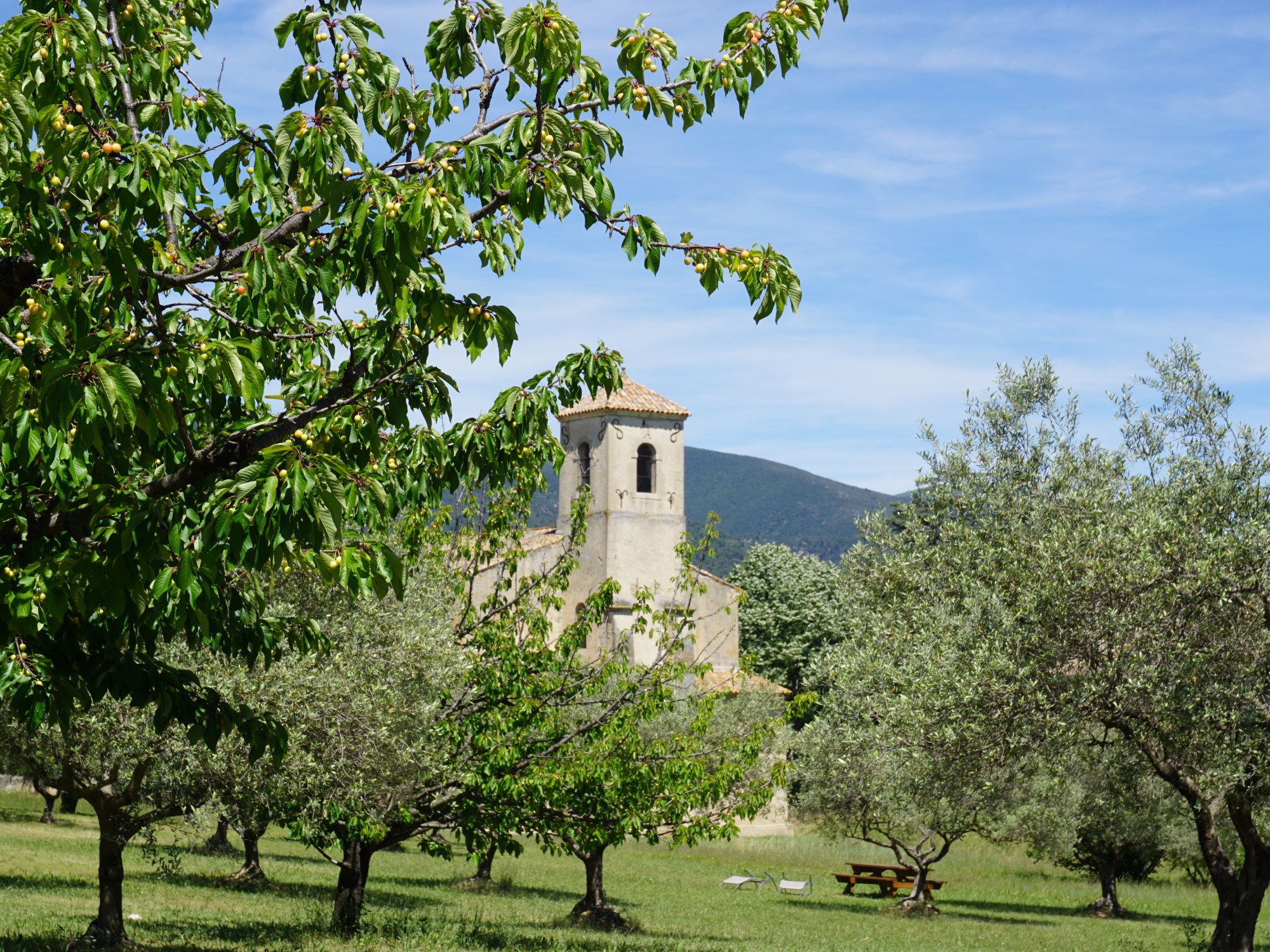
A veces estamos tan obsesionados con viajar a la otra punta del mundo que nos olvidamos de descubrir las maravillas que tenemos cerca.
Este año contamos con una nuevo miembro en la familia, un bebé de 4 meses que ha provocado un replanteamiento de las vacaciones familiares de esta primavera. Buscábamos un destino donde pudiéramos pasear, comer bien, poder ver muchas cosas sin cambiar de alojamiento y relajarnos, que al final, para esto son las vacaciones!
Unos amigos nos recomendaron ver la película de “Un buen año”, fué verla y empezar a planear una escapada a La Provence. Amor a primera vista. Desde entonces sueño con estos campos repletos de viñedos y con estos pueblecitos perfectos que parecen sacados de un cuadro.
La Provence es bastante grande así que teníamos que seleccionar una pequeña parte para este primer viaje, aunque sin duda volveremos para seguir explorando. Nuestra elección fue la parte interior, principalmente los pueblos que se encuentran en el Parque natural del “Lubéron”, aunque luego veréis que al llegar nos dio tiempo de ver un par de pueblos más.
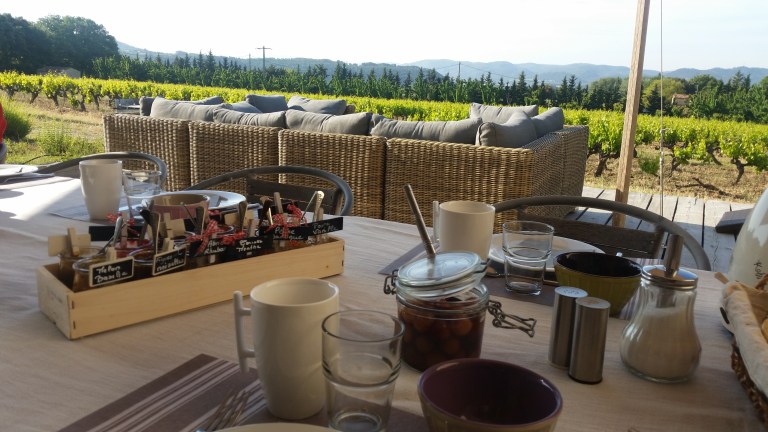
Cuándo se viaja por Francia, sin duda hay que alojarse en una “Chambre d’Hôtes”. Son el equivalente a las casas rurales pero cuentan con una normativa bastante estricta que viene a ser una garantía de calidad. Estos alojamientos cuentan con un máximo de 5 habitaciones y solo se pueden alojar un máximo de 15 personas en ellas. Normalmente se incluye el desayuno, siempre con productos caseros, muy a menudo fruto de los campos de la casa rural. En este enlace encontraréis todos los alojamientos de Francia de este tipo así como algunos de otros países de los alrededores.
Nos alojamos en un pequeño pueblo llamado Puyvert, justo al lado de Lourmarin. Os dejo el enlace de la casa por si os apetece saber un poco más, es un alojamiento ideal para descubrir La Provence! La habitaciones son amplias y modernas (la casa rural tiene unos 4 años aproximadamente) y dan a unos preciosos viñedos. Pero lo mejor de la casa es la cocina de Christelle (la dueña del establecimiento), prepara unos desayunos con 24 tipos de confituras caseras distintas entre otros platitos que improvisa cada mañana para sorprender a los invitados (todo 100% natural y directo de la huerta). Un par de veces por semana prepara la cena para los huéspedes (“table d’hôtes”), es una ocasión ideal para conocer otras personas con las mismas inquietudes de recorrer mundo. Tanto Christelle como su equipo son los mejores guías que vais a encontrar en la región, cada mañana en el desayuno comentaban alguna que otra anécdota o recomendación para el día. Gracias a ellas descubrí que la película que tanto me había gustado es una “crítica” a los millonarios ingleses y alemanes que se instalan en la Provence sin entender muy bien los usos y costumbres de sus habitantes. Esta historia esta inspirada en el libro de Peter Mayle – Une année en Provence, libro que compré allí y que ya tengo ganas de empezar.

A continuación os detallaré un poquito la ruta que seguimos durante los 5 días que estuvimos en Provence, visitamos los principales pueblos aunque seguro que con algunos días más hubiésemos podido ver algunos más de los que no son tan conocidos pero tienen un encanto especial.
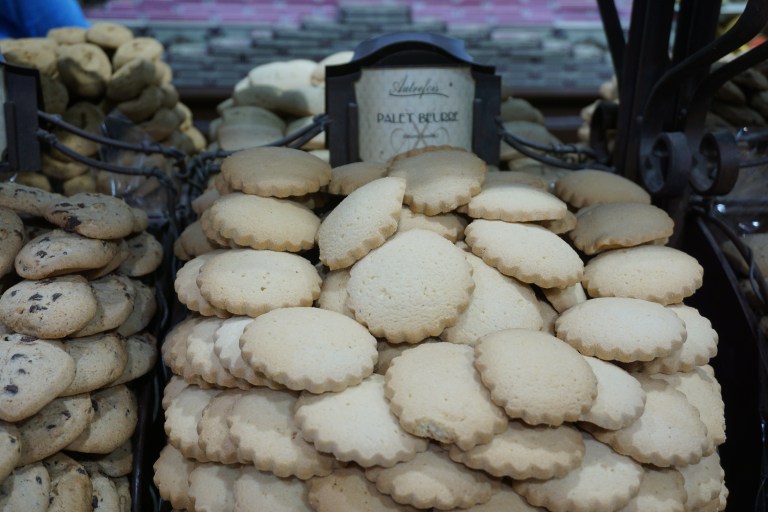
- Baux de Provence: El primer día aprovechamos para visitar este pueblo que no se encuentra en el lubéron (esta en el parque natural de “Les Alpilles”) pero que se conoce como uno de los más bonitos de La Provence. De hecho está catalogado como uno de los pueblos más bonitos de Francia. Baux tiene mucho encanto aunque está orientado al turista, al menos así lo demuestran sus comercios. En sus calles se encuentran un sinfín de tiendas con productos típicos de la región (jabones de “Marseille”, galletas, aceites, vinos, …). Os recomiendo probar las especialidades que allí venden porqué está todo riquísimo, aunque eché en falta un poco más de “vida de pueblo”.

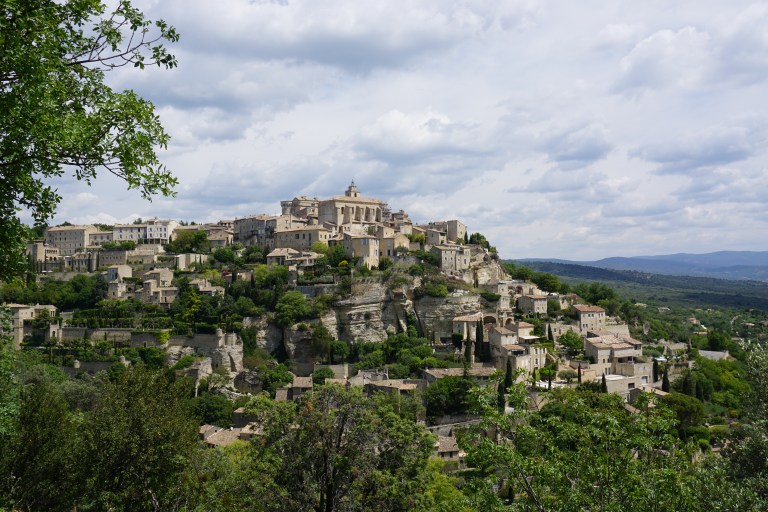
- Gordes: Es el pueblo estrella del Lubéron, también cuenta con el label de ser uno de los pueblos más bonitos de Francia. Actualmente se ha convertido en el núcleo donde millonarios europeos han adquirido residencias para darse baños de tranquilidad. Es el típico pueblo provenzal con calles estrechas de casas con postigos coloridos. Cuenta con bastantes restaurantes, terrazas y alguna que otra tienda de “souvenirs” (atención: en Gordes todo suele ser más caro). Gordes es un pueblo de cuento, para apreciarlo en su totalidad dispone de un mirador a la entrada donde se divisa todo el conjunto de casas que se elevan encima de los viñedos.
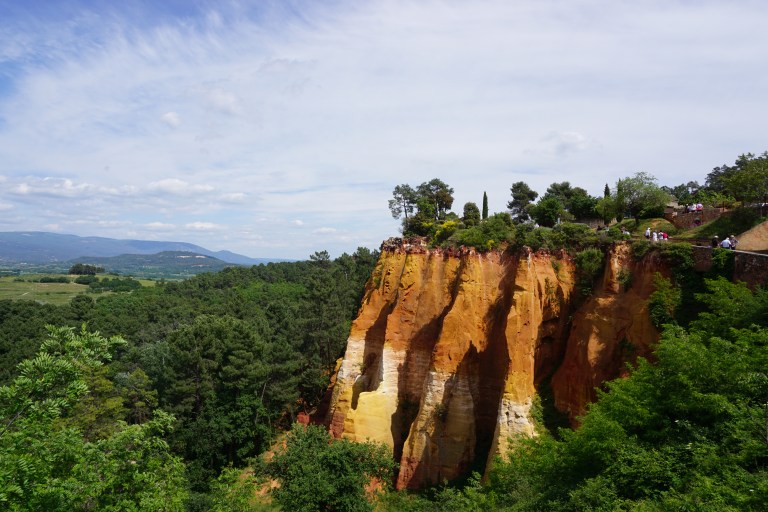
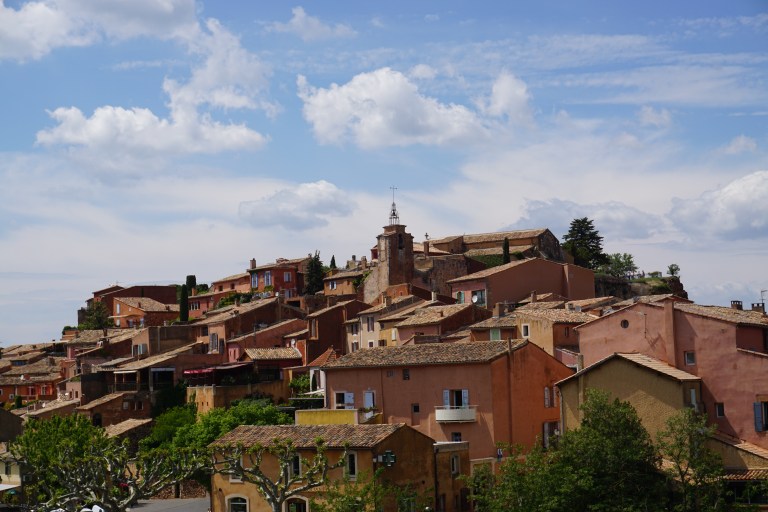
- Roussillon: Este es el pueblo ocre, sus casas y sus montañas tienen una tonalidades ocres que enamoran. Merece la pena fijarse en las tonalidades que adquieren los acantilados de los alrededores. También dispone de tiendas de especialidades alimentarias de la región, muy recomendable para adquirir aceite y delicias derivadas de las aceitunas. En la entrada también se encuentra el museo del aceite donde se pueden ver los artilugios que históricamente se han utilizado para la extracción manual del aceite y del prensado en frío.

- Ménerbes: Es un pueblo más pequeño pero no por ello con menos encanto. En él se encuentran el museo del vino y la trufa (En el castillo en lo alto del pueblo).

- L’Isle-sur-la-Sorgue: Este es el pueblo de los molinos, los anticuarios y las galerías de arte. Posee un paseo alrededor del río con varios molinos de agua muy pintorescos muy agradable para dar un paseo y descubrir las pequeñas calles que se encuentran alrededor. Más allá de este núcleo el pueblo no es especialmente bonito, aunque es ideal para los amantes de los anticuarios.


- La Fontaine de Vaucluse: Es la fuente más caudalosa de Francia y se encuentra al pié de un acantilado de 230m de altitud. No pudimos ir por falta de tiempo pero sin duda creo que merece la pena acercarse cuando se visita “L’Isle-sur-la-Sorgue”
- Bonnieux: Es un pueblo de paso, ya que se encuentra arriba de uno de los montes que dividen el parque del “Lubéron”. Merece la pena subir las 86 escaleras hasta el punto más alto donde se encuentra la iglesia del pueblo y se puede ver gran parte del parque natural bajo unos cedros centenarios. La vistas son espectaculares y muy recomendables. En Bonnieux hay varios restaurantes con terraza, es un punto recomendable para hacer un alto al mediodía.

- Rustrel (Le Colorado provençal): Es un sitio muy curioso que merece la pena por las tonalidades del paisaje que ofrece. Al lado del pueblo se encuentran unas antiguas excavaciones para la extracción de pigmentos ocre. Estas excavaciones y la posterior erosión han dejado un relieve insólito que recuerda vagamente al Gran Cañón del Colorado (versión mini).

- Lourmarin: También es uno de los pueblos más bonitos de Francia y mi favorito de la región. Es un pueblo de artistas, sus calles están llenas de pequeñas terrazas y tiene mucha vida. En él se encuentra el castillo de Lourmarin, preciosa construcción justo al lado del pueblo! Estuvimos un viernes, día de mercado, y nos encantó el ambiente! Sus tiendas parecen de catalogo, son todas muy originales y nada orientadas al turista. Tanto la ropa como los productos típicos que allí se encuentran son increíbles, ¡Apetece comprarlo todo! ¡Hasta encontré una tienda para bebés que fue una autentica tentación!
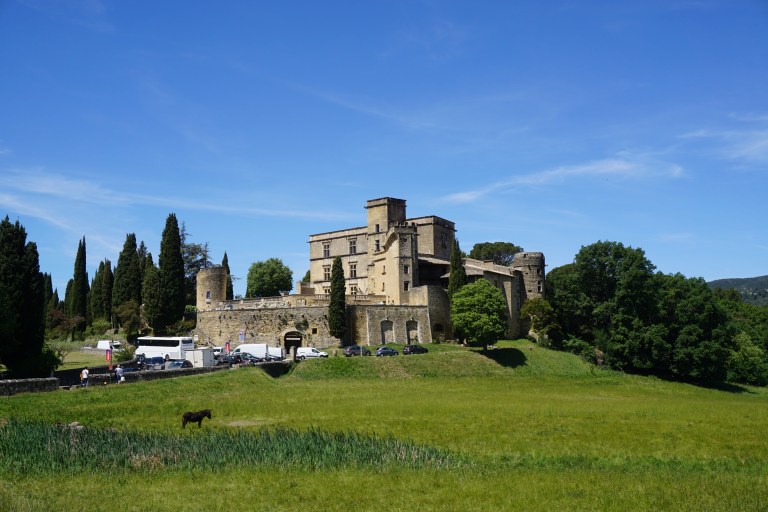
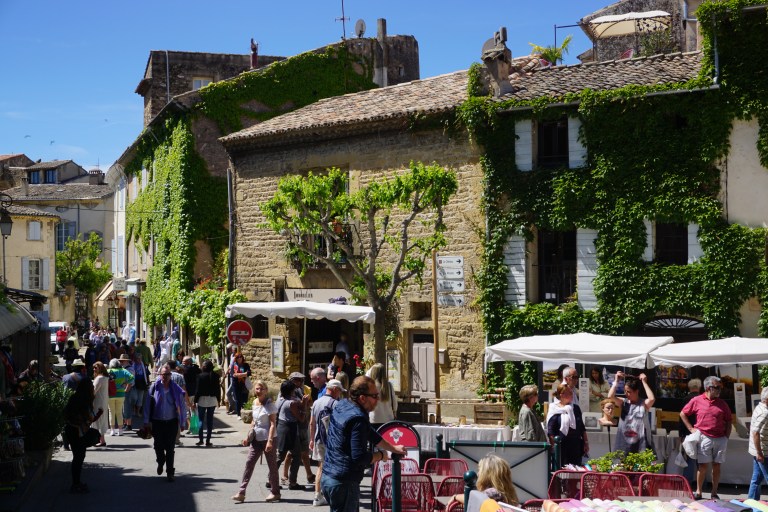

- Ansouis: Es un pueblo pintoresco con mucho encanto en el que se encuentra un castillo medieval de propiedad privada que se puede visitar. Es menos turístico que Gordes y Roussillon aunque también es uno de los pueblos más bonitos de Francia. Sus casas están repletas de hiedra y flores que decoran sus fachadas, puertas y ventanas. Un festival de colores y un placer para la vista.

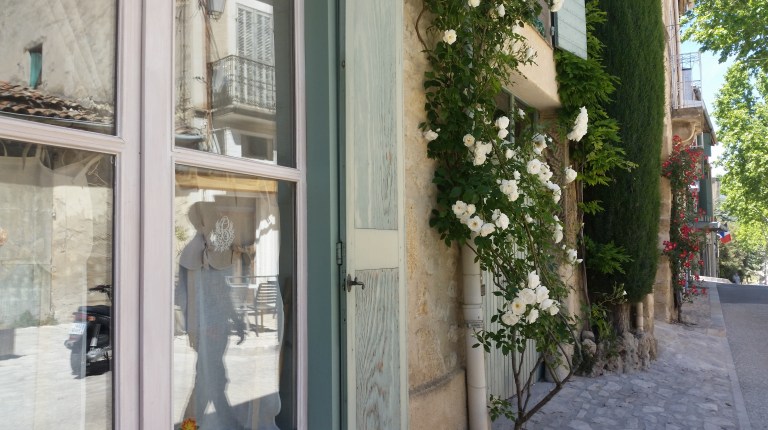

- Cucuron: Aquí se respira un verdadero ambiente de pueblo. Es curioso visitar el estanque que tienen en medio de la plaza del pueblo, con todo de terrazas alrededor. Es un pueblo con muchas explotaciones agrícolas, hasta posee un molino de prensado de aceite de oliva. Tuvimos la suerte de visitar Cucuron el día de su fiesta, 21 de Mayo, y estaba todo decorado con bonitos ramilletes amarillos en las ventanas de las casas. En La Provence son todo pequeños detalles repletos de encanto.


- Saint-Rémy-de-Provence: A la vuelta nos paramos en este pueblo que se encuentra en el parque natural de “Les Alpilles”. Sin duda os sonará este pueblo que sirvió de inspiración a Van Gogh para pintar más de 150 de sus obras. Saint-Rémy es núcleo de famoseo y se nota por las tiendas y negocios que ocupan sus calles de antaño. Es uno de los reclamos de La Provence, recomiendo pasear por sus calles y tomarse un café en su famosa plaza Jean-Jaurès.
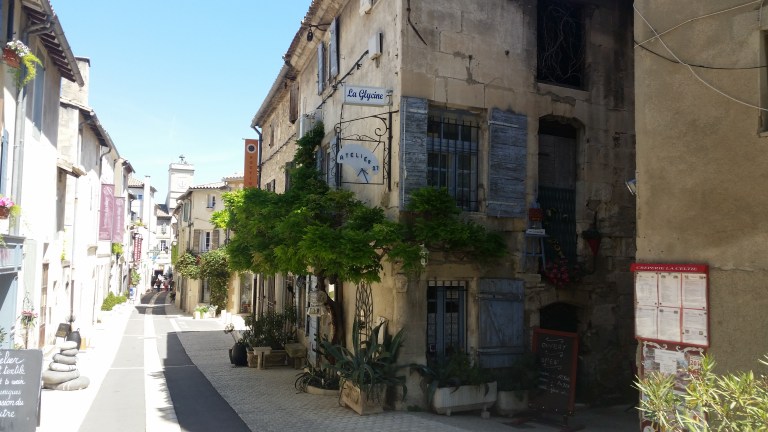
Una vez clara la ruta, solo faltan 7 recomendaciones importantes para los que se animen a planear una escapada en La Provence:
- Todos los pueblos disponen de aparcamientos de pago en los alrededores (Se paga de 3 a 5 euros por todo el día) pero no sirve de nada intentar aparcar en otro sitio porque los pueblos son de calles estrechas y con muchas zonas peatonales.
- Hay que preguntar los días de mercado en cada pueblo ya que vale la pena pasear por ellos. ¡Sobretodo nos encantó el de Lourmarin el viernes! Son mercados de productos típicos y bio de La Provence. ¡¡Un deleite para el olfato y el paladar!!
- La época de la lavanda es entre mediados de Junio y mediados de Agosto aproximadamente.
- Salvo por los campos de lavanda, no aconsejo viajar a La Provence en verano. Hace mucho calor y coincide con las vacaciones de los franceses, así que os vais a pasar el día haciendo cola y nadando entre aglomeraciones de gente.
- En casi todos los restaurantes proponen el menú o plato del día, sin duda la mejor opción para descubrir los manjares de La Provence. En todos los sitios cuidan mucho este tipo de menús y sirven productos de temporada y de la región.
- ¿Qué comprar? Lo más típico es el vino (sobretodo el rosado), el aceite de oliva (aunque es mucho más caro que en España), el aceite de trufa (exquisitez que se recolecta en la región), las galletas típicas, aceitunas, hierbas provenzales, tapenade, cerezas, espárragos, fresas y melón de Cavaillon.
- Si queréis encontrar buenos restaurantes en los pueblos que vayáis visitando, os recomiendo descargar la app de Michelin Francia, sus recomendaciones son muy buenas y ofrecen opciones en un rango de precios bastante amplio.
Aquí acaba nuestra primera escapada por La Provence, pero no la ultima. Estamos deseando recorrer la parte que da al mar, “La Camargue”, “Les Calanques”, … y no tardaremos en preparar maletas!! 😉
“Sometimes we are so obsessed with traveling to the other side of the world that we forget to discover the wonders that are nearby.
This year we have a new member in the family, a 4-month-old baby that has caused a rethink of this spring’s family holidays. We were looking for a destination where we could walk, eat well, be able to see many things without changing accommodation and relax, which in the end, this is the purpose of holidays!
Some friends recommended us to see the movie “A good year”, we saw it and we start planning a trip to La Provence. Love at first sight!! Since then I dream of these fields full of vineyards and with these perfect villages that look like they are taken from a painting.
The Provence is quite big so we had to select a small part for this first trip, although we will definitely go back to continue exploring. Our choice was the interior part, mainly the villages that are in the Natural Park of the “Lubéron”, but then you will see that upon arrival we had time to see a couple of other villages.
When traveling through France, you should definitely stay in a “Chambre d’Hôtes”. They are the equivalent of rural houses but have a strict regulation that is a guarantee of quality. These accommodations have a maximum of 5 rooms and can only accommodate a maximum of 15 people in them. Usually breakfast is included, always with homemade products, very often from the fields of the rural house. In this link you will find all the accommodations of France of this type as well as some of the surrounding countries.
We stayed in a small town called Puyvert, next to Lourmarin. I leave the link of the rural house in case you want to know a little bit more about it. It is an ideal accommodation to discover La Provence! The rooms are spacious and modern (the cottage is about 4 years old) and overlook beautiful vineyards. But the best of the house is Christelle’s cuisine (the owner of the establishment), who prepares a homemade breakfast with 24 types of homemade jams, among other dishes that she improvises every morning to surprise the guests (all 100% natural and direct from the garden ). A couple of times per week she prepares a dinner for her guests (“table d’hôtes”), is an ideal occasion to meet other people with the same concerns of traveling the world. Both, Christelle and her team, are the best guides you will find in the region, every morning at breakfast they talk about some anecdote or recommendation for the day. Thanks to them we discovered that the film that we had liked so much is a “criticism” to English and German millionaires who settle in the Provence without understanding very well the uses and customs of its inhabitants. This story is inspired by Peter Mayle’s book – Une année en Provence, a book that I bought there and that I’m looking forward to finish reading very soon.
Now I will detail a little bit the route we followed during the 5 days we were in Provence, we visited the main villages around but certainly with a few more days we could have seen some more villages that are not so well known but have a special charm.
- Baux de Provence: The first day we take the opportunity to visit this village that is not located in the Lubéron (it is in the natural park of “Les Alpilles”) but it is known as one of the most beautiful in La Provence. In fact it is listed as one of the most beautiful villages in France. Baux has a lot of charm although it is oriented to the tourist, at least that is what its shops show. In its streets there are endless shops with typical products of the region (soaps of “Marseille”, cookies, oils, wines, …). I recommend you to try the specialties that sell there because it is all delicious, but I missed a little more of real “village life”.
- Gordes: It is the main village of Lubéron, it also has the label of being one of the most beautiful villages in France. At the moment it has become the nucleus where European millionaires have acquired residences to breath fresh air It is the typical Provencal village with narrow streets of houses with colorful shutters. It has many restaurants, terraces and a few souvenir shops (attention: everything in Gordes is usually more expensive). Gordes is a fairytale town, to fully appreciate it you must go to the viewpoint at the entrance of the village where you can see the whole set of houses that rise above the vineyards.
- Roussillon: This is the ocher village, its houses and mountains have ocher tones that make you fall in love. It is worth noticing the tonalities that the surrounding cliffs acquire. It also has stores specialized in food of the region, highly recommended to buy oil and delicacies derived from olives. At the entrance ther is also the oil museum where you can see the gadgets that have historically been used for manual extraction of oil and cold pressing.
- Ménerbes: It is a smaller village but not for that reason with less charm. In it you can find the wine and truffle museum in the castle at the top of the town. It’s a very nice walk arounf the village.
- L’Isle-sur-la-Sorgue: This is the village of mills, antique shops and art galleries. It has a walk around the river with several very picturesque watermills very nice to take a walk and discover the small streets that are around. Beyond this nucleus, the town is not particularly beautiful, although it is ideal for lovers of antique shops.
- La Fontaine de Vaucluse: It is the largest water spring in France and is at the foot of a 230m high cliff. We could not go because of the lack of time but we definitely think it’s worth getting there when you visit “L’Isle-sur-la-Sorgue”
- Bonnieux: It is located on the top of one of the mountains that divide the park of “Lubéron”. It is worth climbing the 86 stairs to the highest point where the village church is located and you can see much of the natural park under century old cedars. The views are spectacular and highly recommended. In Bonnieux there are several restaurants with terrace, it is a recommendable point to make a stop at noon.
- Rustrel (Le Colorado provençal): It is a very curious place for the tonalities of the landscape it offers. Next to the town there are some old excavations for the extraction of ocher pigments. These excavations and the subsequent erosion have left an unusual relief that vaguely resembles the Grand Canyon of the Colorado (in a very mini version).
- Lourmarin: It is also one of the most beautiful villages in France and my favorite in the region. It is a town of artists, its streets are full of small terraces and it has a lot of life. The castle of Lourmarin it’s a beautiful construction right next to the town! We were there on a Friday, market day, and we loved the atmosphere! Their stores seem to be from a catalog, they are all very original and nothing oriented to tourists. Both the clothes and the typical products found there are incredible, you want to buy everything! I even found a baby store that was a real temptation!
- Ansouis: It is a picturesque village with a lot of charm in which there is a medieval castle of private property that can be visited. It is less touristy than Gordes and Roussillon although it is also one of the most beautiful villages in France. Their houses are full of ivy and flowers that decorate their facades, doors and windows. A festival of colors and a pleasure for the eyes.
- Cucuron: Here you can breath a true village atmosphere. It is curious to visit the pond they have in the middle of the town square, with terraces all around. It is a town with many farms, even they have an olive oil pressing mill. We were lucky to visit Cucuron on the day of his party, May 21, and it was all decorated with pretty yellow bouquets in the windows of the houses. In La Provence there are full of small details around full of charm.
- Saint-Rémy-de-Provence: On the way back we stopped in this village that is located in the natural park of “Les Alpilles”. Undoubtedly, this town will sound to you as the inspiration to Van Gogh to paint more than 150 of his works. Saint-Rémy is full of celebrities and it is evident by the shops and businesses that occupy its streets. It is one of the claims of La Provence, I recommend walking around its streets and having a coffee in its famous Jean-Jaurès square.
Once the route is clear, you only need 7 important recommendations for those who dare to plan a getaway in La Provence:
- All the towns have paid parking in the surroundings (You pay from 3 to 5 euros for the whole day) but it has no sense to try to park somewhere else because the towns are full of narrow streets and many pedestrian areas.
- You have to ask the market days in each village and visit some of them. Our favourite one is the one in Lourmarin on Friday! They are markets of typical products and bio of La Provence. A delight for the smell and the palate !!
- The lavender season is between mid June and mid August approximately.
- Except for the lavender fields, I do not recommend traveling to La Provence in summer. It is very hot and coincides with the holidays of the French people, so you are going to spend the day queuing up and walking among crowds of people.
- In almost all restaurants they offer the menu or dish of the day, without doubt the best option to discover the delicacies of La Provence. In all the sites they take care of this type of menus and serve seasonal and regional products.
- What to buy? The most typical is wine (especially rosé), olive oil (although it is much more expensive than in Spain), truffle oil (exquisiteness that is collected in the region), typical biscuits, olives, Provencal herbs, Tapenade, cherries, asparagus, strawberries and cavaillon melon.
- If you want to find good restaurants in the villages you visit, we recommend downloading the Michelin France app, their recommendations are very good and offer options in a wide range of prices.
Here ends our first break in La Provence, but not the last one. We are looking forward to visit the seaside, “La Camargue”, “Les Calanques”, … and we will soon prepare our suitcases!! 😉 “
 Wanxi Life
Resum perfecte d’aquestes vacances compartides.
LikeLiked by 1 person