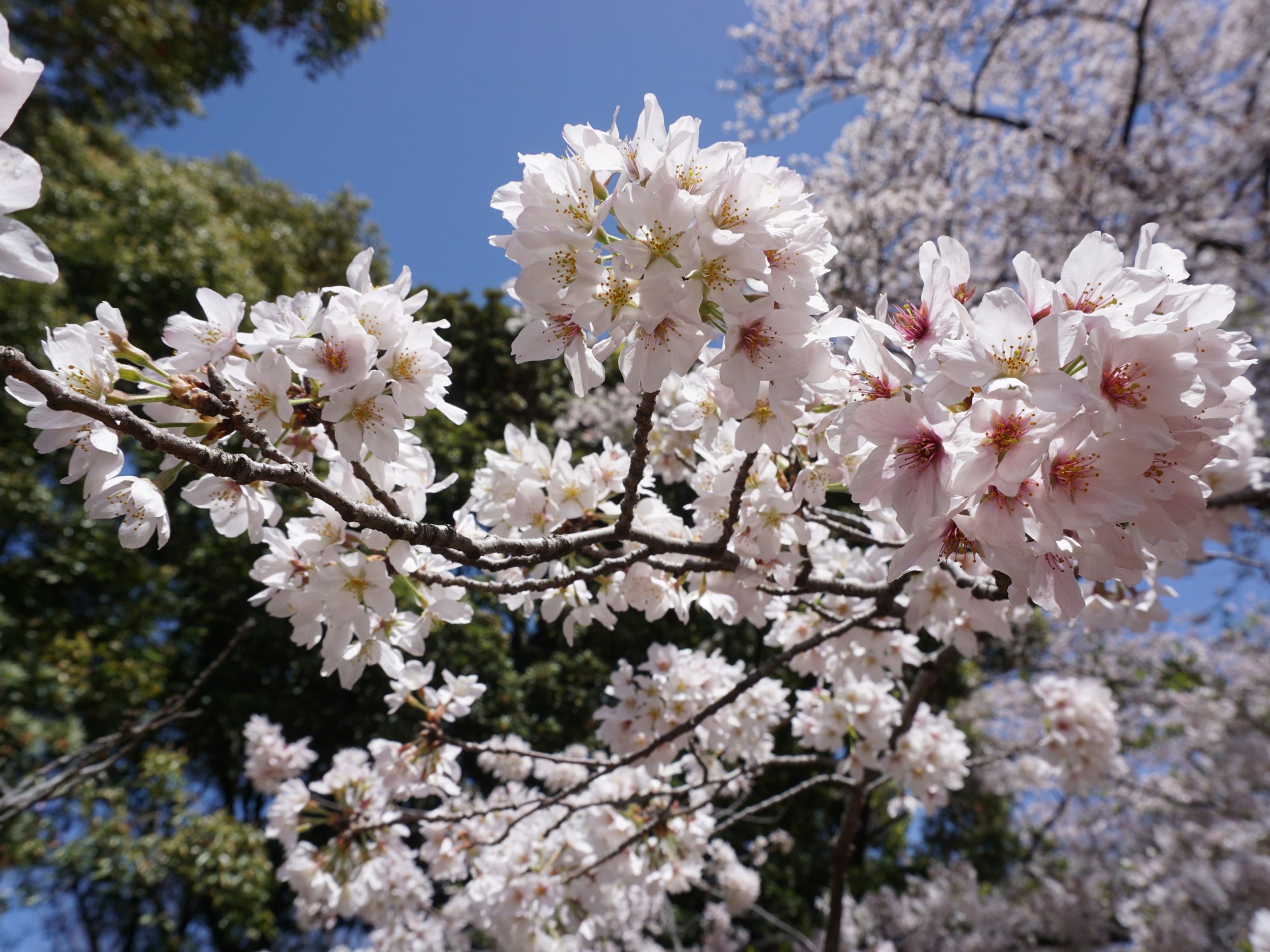
Estar en Japón en primavera es un autentico regalo para la vista, y cuando se trata de la primera visita, sorprende aún más.
Tokio es sin duda una ciudad de contrastes donde tradición y modernidad se mezclan en un paisaje único y difícil de descubrir. Una sociedad fiel a sus tradiciones y bastante al margen de cualquier tipo de globalización. Japón me hizo desconectar y adentrarme en un nuevo mundo muy distinto a mi realidad del día a día, puedo afirmar que este rincón de mundo me ha sabido conquistar.
La primera pregunta que me hace todo el mundo es si realmente es un país tan caro como lo pintan…pues bien, la respuesta es que si pero que merece la pena. El espacio por habitante en japón es mucho más reducido que en la mayoría de países europeos, así que el m2 en Tokio es de los más caros en el mundo. Esto afecta sobretodo al alojamiento, aunque hay que tener en cuenta que los hay para todos los gustos. En Tokio puedes dormir en un hotel capsula desde unas decenas de euros, buscar un Ryokan (alojamiento tradicional japonés) por un poco más, cadenas hoteleras típicas (no creo que merezca la pena ya que no transmiten nada japonés) o hoteles japoneses de menos a más lujosos. El vuelo si se reserva con antelación no es para nada caro y tuvimos una muy buena experiencia con Japan Airlines. La comida, de la que os hablamos en otro post con más detenimiento depende mucho del tipo de restaurante que se escoja. Hay pequeños restaurantes de Ramen muy económicos y luego hay que pagar más por un buen sushi o la inimitable carne de Kobe.
Referente al alojamiento, nuestra elección fue el Hotel Hoshinoya Tokyo, un hotel de lujo japonés que reservado con antelación i a través de Booking merece muchísimo la pena. El hotel tiene una estética 100% japonesa desde el recibidor hasta la habitación. Con detalles increíbles como la atención del personal y un auténtico Onsen en la última planta. En cada piso hay una pequeña sala de estar con servicio dónde se puede tomar una sopa miso y unas bolas de arroz para desayunar, tomar un té macha o café a cualquier hora o degustar un buen saque hacia el atardecer. En nuestro caso ahorramos para este viaje porque queríamos garantizar la mejor experiencia posible, y no nos arrepentimos ni un instante de haber invertido en uno de los recuerdos más increíbles que nos acompañarán para siempre.

Llegados a este punto seguro que ya estáis convencidos que Tokio es una ciudad de visita obligada, pero no cometáis el error de dedicarle demasiado poco tiempo. Tokio es muy grande pero lo curioso es que cada uno de sus barrios es distinto a los demás, a cada salida de metro nos adentramos en un nuevo mundo y de verdad que cada uno de los que os detallaré a continuación merece una visita. En nuestro caso estuvimos una semana en Tokio, y sin duda le volvería a dedicar el mismo tiempo. En Tokio hay que adentrarse en las callejuelas, estirarse en sus parques, ir en metro, entrar en las tiendas más inverosímiles. Esta es sin duda una ciudad para descubrir.
A continuación hablaremos un poco de los diferentes barrios que visitamos en Tokyo y de aquellas visitas imprescindibles que recomendamos en cada uno de ellos:
Akihabara: Este fue el primer barrio que visitamos al llegar. Es la zona de la electrónica, de los salones de vídeo-juegos, del manga y el anime. Es muy aconsejable recorrer las calles e ir entrando en las tiendas, resulta muy curioso ver la de “chorradas” que se pueden llegar a encontrar. ¡Nos hizo mucha gracia ver grupos de amigos que se desplazaban en kart disfrazados de los personajes de Mario Kart! Es inevitable pasar por sus calles y no acabar echando unas partidas en sus salas de vídeo-juegos, todo un vicio que nos remonta a nuestra infancia.

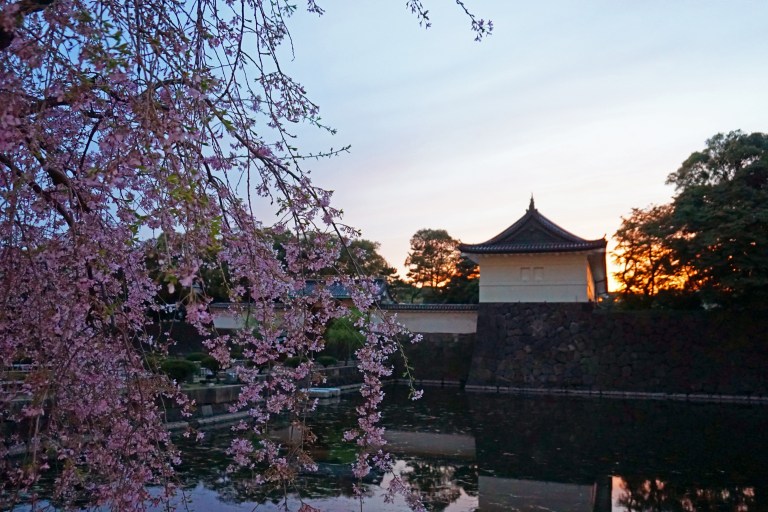
Marunouchi: Es un barrio principalmente destinado a las grandes empresas y edificios municipales más importantes. Allí se encuentra la conocida estación de Tokyo. Muy cerca se encuentra el Palacio Imperial, también conocido por su nombre en japones, Kokyo. Este último es sin duda una visita obligada en tokyo, sus jardines son espectaculares!

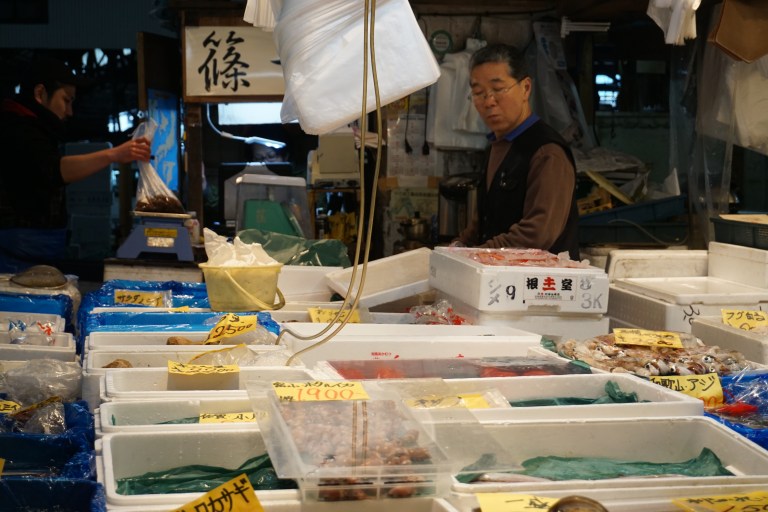
Ginza: Esta es la zona cara de Tokio, sus calles se comparan con la 5a avenida ya que está repleto de tiendas de marcas internacionales. Los precios de estas tiendas en Japón son prohibitivos. Solo recomiendo comprar producto japonés. Sus edificios más emblemáticos son el Sony Building y el Ginza Wako. En esta zona encontrareis un Uniqlo enorme con más variedad y mejores precios que en Europa. Aquí cerca se encuentra Tsukiji market, la mayor lonja de pescado del mundo. Se recomienda ir de madrugada (5h30) si se quiere ver la subasta del atún, pero si no se puede ir hacia las 7h y disfrutar de un desayuno a base de sushi en uno de los restaurantes del mercado exterior y visitar las infinitas paradas de pescado con las especies más inverosímiles. Parece ser que este mercado pronto va a cambiar su ubicación.
Harajuku: Este es el denominado “barrio friki” ya que los fines de semana se llena de tribus urbanas típicas japonesas. Resulta increíble ver a grupos de jóvenes disfrazados paseando por la calle Takeshita. Esta calle esta llena de tiendas de ropa muy peculiar y repleta de jóvenes locales y turistas. Es muy típico parar a comer una crep en uno de los múltiples locales que encontraréis con un expositor de creps de plástico. Otra de las calles famosas de la zona es Omotesando, una calle también considerada de lujo por sus tiendas pero que sin duda aconsejo más ir recorriendo las calles perpendiculares ya que en ellas también hay tiendas increíbles pero más autóctonas y con precios más asequibles.

Shinjuku: En este famoso barrio se encuentra la estación de tren más transitada del mundo, con 3 millones de personas al día aproximadamente. También os sonará por Kabukicho, el barrio rojo más conocido de Japón. De noche este barrio se llena hasta la bandera ya que en el se encuentran muchos locales de karaoke, salas de juegos, bares… todo un espectáculo que hay que ver! Lo bueno de los karaokes en japón es que se alquila una habitación y se canta en privado con un grupo de amigos, todo un lujo lo de no tener que aguantar los gallos de los demás! Recomendamos encarecidamente pasar por la calle Omoide Yokocho al salir de la estación, esta es una calle llena de pequeños restaurantes típicos japoneses en la que merece la pena pasear para ver el ambiente. Pero a pesar de la ajetreada vida nocturna, este barrio bien se merece una visita diurna para acudir al parque Gyoen. Visitamos este parque en domingo que es cuando las familias japonesas salen a comer al parque con la familia. Increíble ver el ambiente que se crea con todo el mundo haciendo su picnic en el césped bajo los sakuras y lo limpio que queda todo al terminar la jornada.

Shibuya: Seguro que os suena el cruce de peatones más transitado del mundo, pues este es Shibuya. Un curioso cruce de 4 pases de peatones que podría parecer caótico pero se las apañan bastante bien. El principal caos lo organizan los turistas que se quieren parar en medio a hacer fotos. Aunque suene muy “cutre” si queréis una buena foto lo mejor será hacerla desde el Starbucks que da al cruce, este es el mejor mirador para uno de los espectáculos más pintorescos de Tokyo. Personalmente una de las cosas que más me gustaron de Shibuya es el santuario Meiji y el parque Yoyogi, otro de los parques de referencia para disfrutar del Hanami.

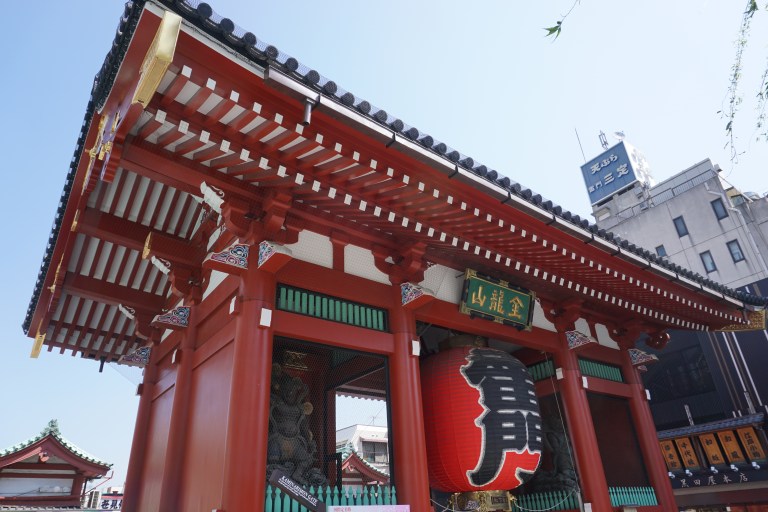
Asakusa: En este tradicional barrio de Tokyo se encuentra el templo Sensoji, uno de los más recomendables y el más antiguo de la ciudad. Una de las imágenes más características del templo es la puerta de Kaminarimon o puerta del trueno, con una lampara de bambú gigante objeto de todos los flashes. Llegando al templo, entre la puerta de Kaminarimon y la puerta de Hozomon, pasamos por la calle Nakamise, una calle tipo mercado repleta de paradas con dulces típicos y productos locales. Podría parecer que esta calle se ha articulado recientemente para los turistas pero la realidad es que es una de las calles comerciales más antiguas de Japón. Uno de los dulces que os recomendamos en la zona son los pastelitos Ningyo Yaki (rellenos de judía roja). Después de visitar el templo y las calles colindantes (muy recomendables por ser un ejemplo típico de calles japonesas tradicionales con comercios pintorescos) fuimos a visitar la famosa torre Tokyo Sky Tree , la torre más alta de Tokyo y la segunda más alta del mundo con 634 m de altura. Con el subidón de las alturas seguimos andando hasta el muelle donde nos embarcamos en un “water bus” hacia Odaiba.

Odaiba: Es una isla artificial de Tokyo que actualmente se ha convertido en un punto importante de atracción turística y ocio. En esta isla podréis visitar el Toyota Megaweb , una exposición de Toyota con algunos de sus vehículos, simuladores y otras actividades. Luego está Tokyo Joypolis, una enorme sala de juegos de Sega donde vimos un concierto de un grupo de hologramas para adolescentes que nos sorprendió muchísimo. Odaiba también tiene una playa con vistas a la bahía de Tokyo y una noria de 115m de alto. por último se puede volver en transporte publico o cruzando el puente Rainbow bridge que une Odaiba con Tokyo y que tiene una zona para peatones.

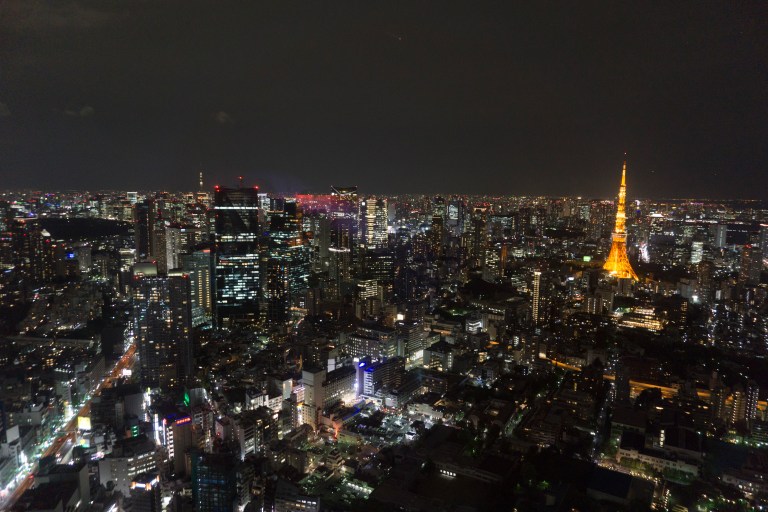
Roppongi: Este es un conocido barrio por su actividad nocturna y por su complejo residencial de lujo Roppongi Hills. Aunque nosotros estuvimos allí el ultimo día y nuestras principales actividades fueron subir a la Mori Tower de noche, con sus 238 m tiene unas vistas espectaculares a la ciudad, y aprovechar para ver la exposición de Marvel Age of Heroes que habia allí durante nuestra visita. Para terminar nuestro día de película fuimos a cenar al restaurante en el cual Quentin Tarantino se inspiró para rodar Kill Bill (Gonpachi).
Uno de los días que estuvimos en Tokyo decidimos hacer una excursión hacia Hakone, un destino ideal para pasear por la natura, bañarse en un Onsen o descubrir un antiguo punto de control de la ruta Tokaido que conectaba la antigua Edo con Kyoto. Partimos de Tokio en tren hasta Odawara, con el JR Pass, y de allí hasta Hakone con otro tren. Para moverse por Hakone hay una red de bus local que funciona muy bien. Las vistas que hay en la orilla del lago Ashi son espectaculares y los días de buen tiempo se puede ver y fotografiar perfectamente el Monte Fuji. Es muy recomendable visitar el Hakone Shrine, un pequeño santuario shintoista a orillas del lago con mucho encanto. Luego de allí nos fuimos andando hacia el punto de control de la ruta Tokaido, visita muy interesante en la que aprendimos muchas curiosidades acerca de la antigua Edo. En acabar fuimos a relajarnos a Hakone Yuryo, un Onsen tradicional muy recomendable.

Aprovecho este punto para recomendar encarecidamente que antes de vuestra visita a Japón penséis en comprar el JR Pass y enviarlo a vuestro domicilio (nos tardó unas 48h). Este pase parece caro pero representa un gran ahorro si queréis realizar algún trayecto en tren por Japón. Incluye los desplazamientos en JR line, JR bus y también en Shinkansen.
Importante leer el post sobre comida japonesa antes o después de este, ya que la cocina japonesa forma parte de esta increíble cultura y aunque seáis adictos a los restaurantes japoneses en Europa, os aseguro que comer en Japón es un placer único en la vida a menos que no volváis a este increíble país.
En otro post os hablaré de Kyoto, otra ciudad japonesa que te quita el hipo y que también consideramos que es de visita obligada. Pero la verdad es que nos costaría muchísimo encontrar algo en japón que no mereciera la pena recomendar. Suponemos que tantos años de espera para realizar este viaje nos han hecho disfrutarlo aun más, y ya estamos calendario en mano buscando un hueco para nuestra próxima visita!!
“Being in Japan in spring is a real gift for the eyes, and when it’s your first visit in Japan, it’s even more surprising.
Tokyo is undoubtedly a city of contrasts where tradition and modernity blend in a unique environment. I’s a society very respectfull to their traditions and quite apart from any kind of globalization. Japan made us disconnect and enter a new world very different from our day-to-day reality. We can confirm that this corner of the world has conquered us!
The first question that everyone asks me is if it’s really that is a country as expensive as they say … well, the answer is yes, but it’s worth it. The space per inhabitant in Japan is much smaller than in most European countries, so the m2 in Tokyo is one of the most expensive in the world. This affects especially the accommodation, although it must be taken into account that there are accomodations for all kind of budgets. In Tokyo you can sleep in a capsule hotel for a few dozen euros, look for a Ryokan (traditional Japanese accommodation) for a little more, typical hotel chains (I do not think it’s worth it since they do not transmit anything Japanese) or Japanese hotels that are more expensive but much more luxurious. The flight, if booked in advance, is not expensive at all and we had a very good experience with Japan Airlines. The food, that we dedicated a special post for it, depends a lot on the type of restaurant that is chosen. There are very cheap small Ramen restaurants and then you have to pay more for good sushi or the inimitable Kobe meat.
Regarding the accommodation, our choice was the Hoshinoya Tokyo Hotel, a Japanese luxury hotel that booked in advance through Booking is very much less expensive than at the last minute. The hotel has a 100% Japanese aesthetic from the hall to the room. With incredible details such as the attention of the staff and an authentic Onsen on the top floor. On each floor there is a small living room where you can have a miso soup and some rice balls for breakfast, drink a tea or coffee at any time or try a good sake towards sunset. In our case we saved for this trip because we wanted to guarantee the best possible experience, and we did not regret for a moment having invested in one of the most incredible memories that will accompany us forever.
At this point we are sure that you are convinced that Tokyo is a must-see city, but do not make the mistake of spending too little time on it. Tokyo is very big and the most incredible thing is that each of its neighborhoods is different from the others, in each subway exit we enter in a new world and all of them are worth a visit. In our case we stay in Tokyo for a week, and I would definitely dedicate the same time again. In Tokyo you have to walk around the streets, visit its parks, go by subway, enter the most unlikely stores. This is undoubtedly a city to discover.
Now we will write a little about the different neighborhoods we visited in Tokyo and those essential visits that we recommend in each of them:
- Akihabara: This was the first neighborhood we visited upon arrival. It is the area of electronics, video games, manga and anime. It is a place to walk around the streets and go into the shops, it is very curious to see the thing that can be found in that shops. It was very funny to see groups of friends who were driving a kart disguised as the characters of Mario Kart! It is inevitable to go through its streets and not end up playing some video-games in its videogame rooms, a vice that takes us back to our childhood.
- Ginza: This is one of the most expensive areas in Tokyo, its streets are compared to 5th Avenue as it is full of shops of international brands. The prices of these stores in Japan are prohibitive. I only recommend buying Japanese products. Its most emblematic buildings are the Sony Building and the Ginza Wako. In this area you will find an enormous Uniqlo with more variety and better prices than in Europe. Nearby there is Tsukiji market, the largest fish market in the world. It is recommended to go at dawn (5h30) if you want to see the auction of the tuna, but if you don’t want to get up so early you can go at 7h and enjoy a sushi breakfast in one of the outdoor market restaurants and visit the endless fish stops with the most unlikely species. It seems that this market will soon change its location.
- Marunouchi: It is a neighborhood mainly destined to the big companies and the most important municipal buildings. There is the well known Tokyo station. Nearby there is the Imperial Palace, also known by its Japanese name, Kokyo. The latter is definitely a must see in Tokyo,and its gardens are spectacular!
- Harajuku: This is the so-called “geek neighborhood” since on weekends it is filled with typical urban Japanese tribes. It is amazing to see groups of young disguised people walking down Takeshita Street. This street is full of very peculiar clothing stores and full of young locals and tourists. It is very typical to stop to eat a crepe in one of the many places you will find with a display of plastic creps nearby. Another of the famous streets of the area is Omotesando, a street also considered luxurious for its shops but I definitely recommend more to go through the perpendicular streets as there are also incredible shops but more local and at more affordable prices.
- Shinjuku: In this famous neighborhood you will find the busiest train station in the world, with approximately 3 million people a day. It will also sound to you through Kabukicho, Japan’s best-known red light district. At night this neighborhood is full of people as there are many karaoke venues, games rooms, bars … a must see! The good thing about karaoke in japan is that you rent a room and sing privately with a group of friends. We highly recommend going through the Omoide Yokocho street when leaving the station, this is a street full of small typical Japanese restaurants where it is worth walking to see the atmosphere. But despite the busy nightlife, this neighborhood is worth a visit during the day to take a walk at Gyoen park. We visited this park on Sunday that is the day when Japanese families go out to eat at the park with their family. It’s incredible to see the atmosphere that is created with everyone doing their picnic under the sakuras and how clean they leave everything at the end of the day.
- Shibuya: In this neighborhood you can find the busiest crosswalk in the world, because this is Shibuya. A curious crossing of 4 pedestrian passes that might seem chaotic but they manage it quite well. The main chaos is organized by tourists who want to stop in the middle to take pictures. Although it sounds very “shabby” if you want a good photo the better is to take it from the Starbucks nearby the crossing, this is the best viewpoint for one of the most picturesque shows in Tokyo. Personally, one of the things we liked the most about Shibuya is the Meiji Shrine and the Yoyogi Park, another of the reference parks to enjoy the Hanami.
- Asakusa: In this traditional district of Tokyo you can find Sensoji Temple, one of the most recommended and the oldest temple in the city. One of the most characteristic images of the temple is the door of Kaminarimon, with a giant bamboo lamp in it. Arriving at the temple, between the door of Kaminarimon and the door of Hozomon, we passed by Nakamise street, a market street with typical sweets and local products. It might seem that this street has been recently articulated for tourists but the reality is that is one of the oldest shopping streets in Japan. One of the sweets that we recommend in the area are the Ningyo Yaki cakes (filled with red beans paste). After visiting the temple and the nearby streets (highly recommended for being a typical example of traditional Japanese streets with picturesque shops) we went to visit the famous Tokyo Sky Tree Tower, the tallest tower in Tokyo and the second tallest in the world with 634 m height. After that, we continue walking to the pier where we embark on a “water bus” to Odaiba.
- Odaiba: It is an artificial island of Tokyo that has become an important point of tourist attraction and leisure. On this island you can visit the Toyota Megaweb, an exhibition of Toyota with some of its vehicles, simulators and other activities. Then there’s Tokyo Joypolis, a huge Sega game room where we saw a concert of a group of holograms for teenagers that surprised us a lot. Odaiba also has a beach with views of Tokyo Bay and a 115m high Ferris wheel. Finally, you can return by public transport or crossing the Rainbow bridge that connects Odaiba with Tokyo and that has a pedestrian area.
- Roppongi: This is a well-known neighborhood for its nightlife and for its luxury residential complex Roppongi Hills. Although we were there on the last day and our main activities were going up to the Mori Tower at night, with its 238 m and it has spectacular views of the city, and take the opportunity to see the exhibition of Marvel Age of Heroes that was there during our visit. To end our movie day we went to dinner at the restaurant where Quentin Tarantino was inspired to shoot Kill Bill (the restaurant it is called Gonpachi).
One of the days that we were in Tokyo we decided to make a trip to Hakone, an ideal destination to walk through nature, bath in an Onsen or discover an old point of control of the Tokaido route that used to connect the ancient Edo with Kyoto. We depart from Tokyo by train to Odawara, with the JR Pass, and from there to Hakone with another train. To move around Hakone there is a local bus network that works very well. The views on the shore of Lake Ashi are spectacular and on clear days you can see and take photos to Mount Fuji perfectly. It is highly recommended to visit the Hakone Shrine, a small Shinto shrine on the shores of the lake with much charm. After that we went walking towards the control point of the Tokaido route, very interesting visit in which we learned many curiosities about the ancient Edo. At the end of the day, we went to relax to Hakone Yuryo, a traditional Onsen highly recommended.
Before your visit to Japan think about buying the JR Pass and send it to your home (it took us about 48h). This pass seems expensive but it represents a great saving if you want to make a train trip in Japan. Includes travel on JR line, JR bus and also on Shinkansen.
Don’t miss to read the post about Japanese food before or after this one, since Japanese cuisine is part of this incredible culture and although you are addicted to Japanese restaurants in Europe, I assure you that eating in Japan is a unique pleasure in life.
In the next post we will talk about Kyoto, another Japanese city that we also consider a must. But the truth is that it would cost us a lot to find something in Japan that is not worth recommending. We assume that many years of waiting to make this trip have made us enjoy it even more, and we are sure that we are going to come back again to continue our trip through Japan.
 Wanxi Life