
Cuando nos acordamos de nuestro viaje a Japón, los primeros recuerdos que se nos vienen a la cabeza son los sabores de la cocina japonesa! Es de las mejores cocinas que hemos probado sin duda pero sorprende ver que dista bastante de los restaurantes japoneses que estamos acostumbrados a ver por Europa. En japón los restaurantes tienen una especialidad y ofrecen pocas opciones normalmente servidas para unas pocas mesas. Esto me encanta porque garantiza que el producto sea fresco y preparado al instante, y que los restaurantes dedican sus esfuerzos en preparar una única especialidad.
A continuación detallaré algunos de los tipos de restaurantes que hay en Japón con algunas de las recomendaciones que probamos en Tokio y Kioto (las dos ciudades que visitamos en nuestro primer viaje). Hay que remarcar que nos guiamos mucho por las recomendaciones Bib Gourmand de la Guia Michelin. Estos restaurantes son opciones más económicas que aconseja la guía pero sin tener ninguna estrella. Como ya debéis saber, Tokio es la ciudad con mas estrellas Michelin del mundo, prueba de su exquisita cocina.
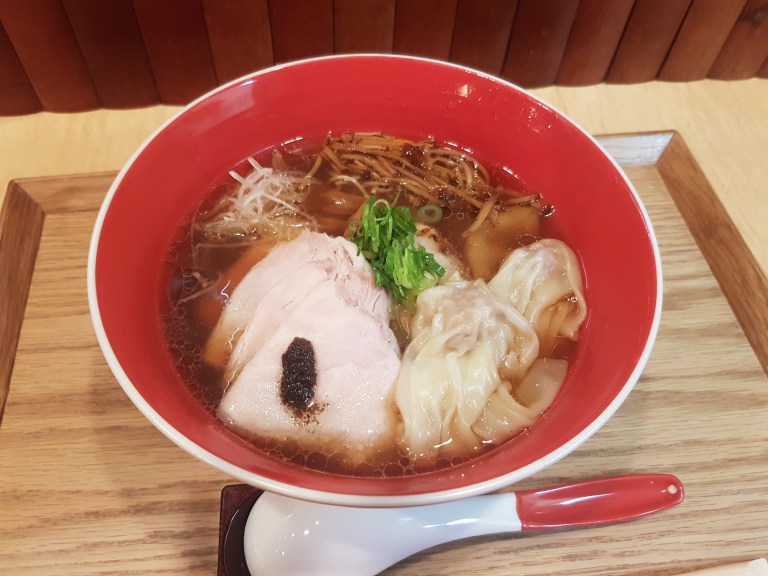
Ramen: Fideos “soba” en una sopa con base de miso y soja en la que se le suelen añadir otros ingredientes como carne, huevo, … hay muchísimas variedades de esta especialidad que os recomiendo encarecidamente. Hay que saber que existen 2 tipos de noodles, los que se sirven directamente dentro del caldo y los que nos sirven a parte y hay que mojarlos en una salsa. Para mi gusto los primeros son sustancialmente mejores!
Nosotros probamos uno de caldo de pollo con curry en Ginza Kagari en Chiyoda, probamos el famoso Ramen de Tsuta (1 estrella Michelin) y los de Ippudo en Roppongi. Los mejores sin duda son los de Tsuta, pero aunque es un restaurante para nada caro, hay que ir a primera hora (11h) para pedir un tiquet que nos indicará a la hora que hay que ir a hacer cola. Si tenemos un tiquet para las 14h, esto significa que entre las 14h y las 15h podremos entrar a comer nuestro plato de Ramen. La cola se hace en el exterior, en la entrada de un edificio y de pié. Al entrar se escoge el plato que se quiere comer en una máquina y se vuelve a esperar a que se libere un sitio. Esta prohibido entrar carritos de niños porque el espacio es muy reducido. Como podéis leer es el anti glamour de un restaurante con una estrella Michelin pero es curioso y sin duda buenísimo. La clave principal de Tsuta es la trufa que echan en el ramen que le sienta de maravilla.
Para los que no tengan ganas de hacer colas os puedo asegurar que tokio esta lleno de restaurantes de Ramen para todos los gustos. Nosotros pondríamos en segundo lugar el de Ippudo, que nos sorprendió muy gratamente!
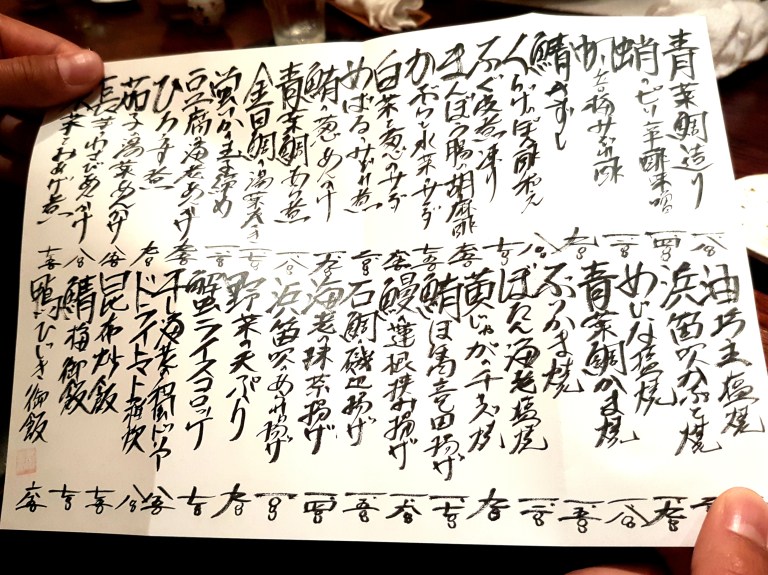
Izakaya: Podríamos traducirlo como bar de tapas Japonés pero con algunos matices. Suelen ser locales donde se puede comer y beber, y lo típico suele ser probar varios platitos que se comparten. Probamos esta especialidad en Kioto en un restaurante llamado Eikichi que encontramos en la guía Bib Gourmand. Es difícil de encontrar ya que no tiene ningún cartel en la puerta y la entrada es muy pequeña. Sin embargo fue una experiencia buenísima y tuvimos mucha suerte de encontrar sitio. Hay una pequeña barra con un solo cocinero que va preparando los platos. No habla inglés pero se esfuerza mucho en explicar los platos y en hacer que los comensales se sientan a gusto. La carta estaba en japonés así que le dijimos que nos fuera sirviendo según sus recomendaciones y fue todo un acierto. Nos encantaros todos los platos y si pudiera volvería ahora mismo!!


Okonomiyaki: Restaurantes que disponen de una plancha donde se cocina una masa con diferentes ingredientes. En algunos locales lo preparan los cocineros en una plancha delante del cliente y en otros se ofrecen los ingredientes al cliente para que se lo prepare en una plancha en su propia mesa. Es un plato típico de hiroshima y Osaka.
Nuestra elección para probar esta especialidad fue Kiji, Situado en Chiyoda cerca de la estación central de Tokio. Muy recomendable!

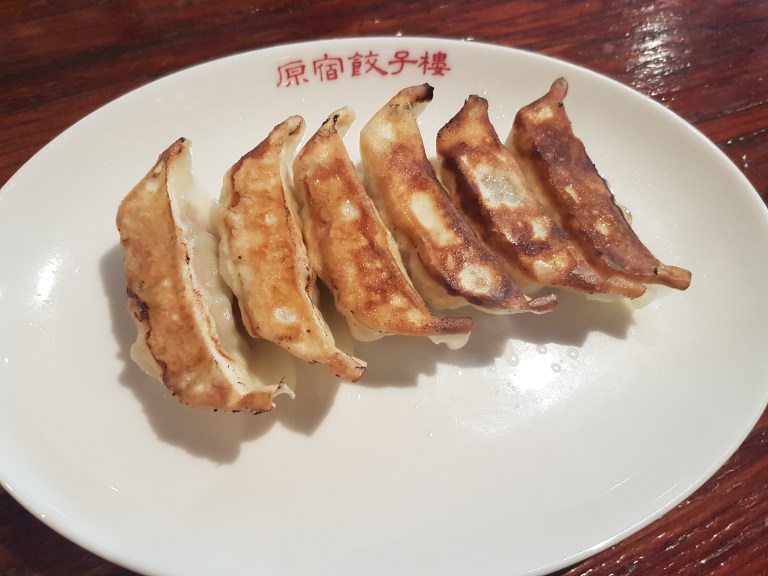
Gyoza: Supongo que todos conocéis las increíbles “empanadillas” japonesas, aunque os sorprenderá ver que en Japón hay restaurantes que se dedican exclusivamente a preparar y servir esta exquisitez. Aprovechamos nuestra visita a Harajuku para pasar por Gyozaro, un famoso local de gyozas cerca de la famosa calle Takeshita. Hacen gyozas al vapor y marcadas a la plancha, aunque también os recomendamos los brotes de soja!!
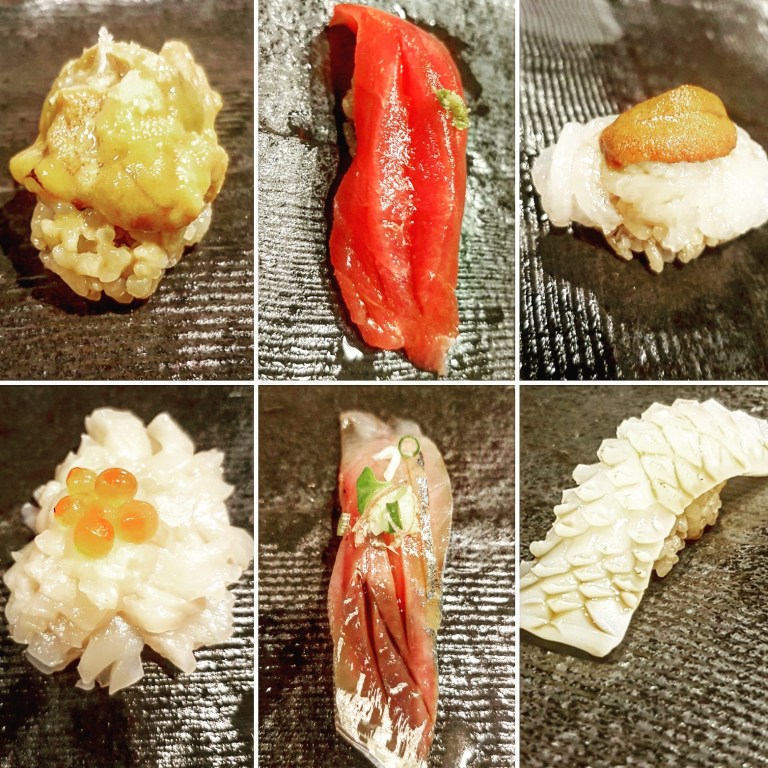
Sushi: Hay que aprovechar una visita al famoso mercado del pescado Tsukiji para probar un restaurante de sushi en los alrededores. Para ir a un auténtico restaurante de sushi hay que ir preparado para olvidarse de los makis (originales de China de principios del siglo VII donde las poblaciones que vivían lejos del mar descubrieron en el arroz unas increíbles propiedades para conservar el pescado), olvidarse del cuenco de soja para remojar y en muchos restaurantes no se escoge el tipo de pesado sino que va en función de la pesca del día. El cocinero prepara sus especialidades según el pescado fresco del día y el cliente elige un menú entre diferentes opciones de precio según variedad.
Probamos en Shuutoku 2 y nos encantó!
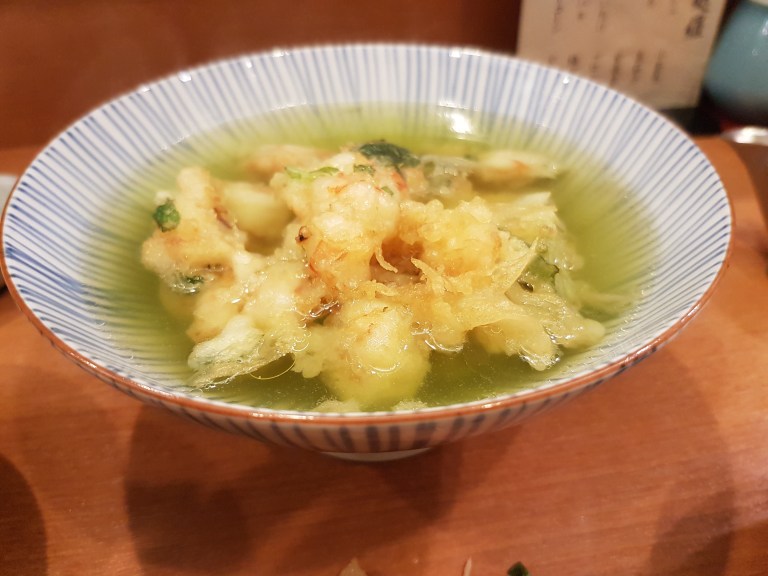
Tempura: Fritura japonesa de verduras y mariscos. Probamos esta especialidad en Tempura Abe, Ginza. es un poco difícil de encontrar porque está en el subsuelo del edificio. En japón los restaurantes no solo están en la planta baja sino que debemos siempre fijarnos en las plantas superiores e inferiores!
Carne de kobe: Para los amantes de la carne, esta será sin duda la mejor que vais a probar. ¡Se funde en la boca y su sabor es increíble! La carne de kobe es un tipo de carne wagyu (vaca japonesa) que proviene de las vacas negras Tajima. Se determina si una carne es kobe una vez sacrificado el animal y pasados unos estrictos criterios de calidad. Cuando se prueba la autentica carne de kobe, nos damos cuenta que la mayoría de veces que en Europa se incluye este tipo de carne en una carta es un timo. La carne de kobe es extremadamente cara ya que hay muy poca y un porcentaje muy bajo de la producción se exporta fuera de Japón. Se diferencia por su cantidad de grasa infiltrada que le da una jugosidad única y no existe la carne de kobe criada fuera de Japón. ¡Preparad la cartera para este manjar, pero de verdad que merece mucho la pena!
Comimos kobe en el barrio de Ginza, en un restaurante llamado Heijoen.

Tonkatsu: Se trata de cerdo empanado con Panko, un rebozado de pan japonés muy ligero que absorbe menos el aceite consiguiendo que la carne en el interior esté jugosa y el rebozado sea crujiente. Se puede elegir la parte del cerdo y las más populares son la chuleta, el lomo y el solomillo. En Kioto probamos el tonkatsu de ternera en un restaurante llamado Katsugyu que nos pareció espectacular y a muy buen precio, os lo recomendamos!

Yakitori: Conocidas en España como brochetas, esta especialidad se reinventa en Japón con multitud de posibilidades. Probamos un acogedor restaurante en Kioto llamado Wabiya Korekido donde nos fueron sirviendo una deliciosa variedad. Las de pollo son las más conocidas.
Estas son las principales especialidades de cocina Japonesa, cada una de ellas representada en restaurantes dedicados a una gama de producto. En Japón no se puede encontrar en un buen restaurante una carta con sushi y gyozas a la vez. Hay más especialidades que no nos dio tiempo de probar y por eso no las menciono en el post. Podéis visitar los restaurantes que aquí os recomiendo o atreveros a probar cualquier otro porque la verdad es que en Japón se como increíblemente bien en la mayoría de restaurantes.
Solo con redactar este post me vuelven a la memoria los increíbles sabores de Japón y me da por empezar a planear nuestra próxima visita. ¿Y vosotros, os animáis?
“When we remember our trip to Japan, the first memories that come to our mind are the flavors of Japanese cuisine! It is one of the best cuisines we have tried without doubt but it is surprising to see that it is far from the Japanese restaurants that we are used to see in Europe. In Japan restaurants have a specialty and offer few options, normally served for a few tables. I love this because it guarantees that the product is fresh and prepared instantly.
Below I will detail some of the main types of restaurants in Japan with some of the recommendations we’ve tried in Tokyo and Kyoto (the two cities we visited on our first trip). It should be noted that we often consulted the Bib Gourmand recommendations of the Michelin Guide. These restaurants are cheaper options that the guide advises at lower prices than the ones that are awarded with Michelin stars. As you should know, Tokyo is the city with more Michelin stars in the world, proof of its exquisite cuisine.
Ramen: “Soba noodles” in a soup based on miso and soy in which you usually add other ingredients such as meat, egg, … there are many varieties of this specialty that we highly recommend. You have to know that there are 2 types of noodles, those that are served directly inside the broth and those that are served aside us and must be dunked in a sauce. In my opinion, the first ones are substantially better!
We’ve tried one of chicken broth with curry at Ginza Kagari in Chiyoda, we tried the famous Tsuta Ramen (1 Michelin star) and those of Ippudo in Roppongi. The best ones are undoubtedly those of Tsuta, but although it is a restaurant that is not expensive at all, you have to go at (11am) to ask for a ticket that will tell you when you have to go to queue. If we you a ticket for 2pm, this means that between 2pm and 3pm you can enter to eat our Ramen dish. The queue is made outside, standing at the entrance of a building. When you finally enter in the restaurant, there’s a vending machine at the entrance where you have to choose your menu and wait again for a seat to be emtied. It is forbidden to enter children’s carts because the space is very small. As you can read is the anti glamor of a restaurant with a Michelin star but it is curious and certainly great! The main key of Tsuta is the truffle that they put in the ramen!
For those who do not feel like queuing, I can assure you that Tokyo is full of Ramen restaurants for all tastes. We would put in second place that of Ippudo, which surprised us very pleasantly!
Izakaya: We could translate it as a Japanese “tapas bar” but with some nuances. They are usually places where you can eat and drink, and it’s typical to try several plates that are shared. We’ve tried this specialty in Kyoto in a restaurant called Eikichi that we found in the Bib Gourmand guide. It is hard to find since it has no sign on the door and the entrance is very small. However, it was a great experience and we were very lucky to find a place to eat there. There is a small bar with a single chef who prepares the dishes. He does not speak English but he tries hard to explain the different options and to make the guests feel at ease. The menu was in Japanese so we told him that we will adapt to his recommendations and it was a great success. We love all the dishes and if I could, I will go back right now!
Okonomiyaki: This type of restaurants have a griddle where an “omelette” with different ingredients is cooked. In some places the chef prepares it in front of the customer and in others the ingredients are offered to the customer so that he prepares it on a griddle at his own table. It is a typical dish of Hiroshima and Osaka.
Our choice to try this specialty was Kiji, located in Chiyoda near the central station of Tokyo. Highly recommended!
Gyoza: I guess you all know the incredible Japanese “pasties”, although you will be surprised to see that in Japan there are restaurants that are dedicated exclusively to prepare and serve this delicacy. We took advantage of our visit to Harajuku to go through Gyozaro, a famous gyoza restaurant near the famous Takeshita Street. They make gyozas steamed and marked on the grill, although we also recommend the bean sprouts!
Sushi: When you visit the famous Tsukiji fish market it’s the perfect moment to try a sushi restaurant in the surroundings. To go to an authentic sushi restaurant you have to be prepared to forget about the makis (original Chinese from the early seventh century where populations living far from the sea discovered in the rice some incredible properties to conserve the fish), forget about the Soya bowl to soak and forget to choose the type of fish you want to eat. The chef prepares his specialties according to the fresh fish of the day and the customer chooses a menu between different options of price according to variety.
We tried on Shuutoku 2 and we loved it!
Tempura: Japanese vegetables and seafood fried. We tested this specialty at Tempura Abe, Ginza. This restaurant is a bit difficult to find because it is in the basement of the building. In Japan the restaurants are not only on the ground floor but we must always look at the upper and lower floors!
kobe meat: For meat lovers, this will undoubtedly be the best you will try. It melts in your mouth and it tastes incredible! Kobe meat is a type of wagyu meat (Japanese cow) that comes from black Tajima cows. It is determined if a meat is kobe once the animal has been slaughtered and after strict quality criteria have been met. When we try the authentic kobe meat, we realize that the majority of times that this type of meat is included in a menu in Europe is a scam. Kobe meat is extremely expensive since there is a very little production and a very low percentage of the production is exported outside of Japan. It is differentiated by the amount of infiltrated fat that gives it a unique juiciness and there is no kobe meat raised outside of Japan. Be ready to pay a lot for this delicacy, but it really worth it!
We ate kobe in the neighborhood of Ginza, in a restaurant called Heijoen.
Tonkatsu: This is pork breaded with Panko, a type of light Japanese bread that absorbs less oil when fried, making the meat inside juicy and the batter crunchy. You can choose the part of the pork you want and the most popular are the chop, the loin and the sirloin. In Kyoto we tried the beef tonkatsu in a restaurant called Katsugyu that was spectacular and at a great price, we recommend it!
Yakitori: Here are known as skewers, this specialty is reinvented in Japan with multiple possibilities. We tried a cozy restaurant in Kyoto called Wabiya Korekido where they served us a delicious variety. The chicken ones are the most typical.
These are the main specialties of Japanese cuisine, each of them is represented in restaurants that offer exclusively one speciality. In Japan there are not good restaurants that mix sushi and gyozas. There are more specialties that did not give us time to try and that’s why I did not mention them in the post. You can visit the restaurants that I recommend here or dare to try any other because the truth is that in Japan you will eat incredibly well in most restaurants.
Just to write this post it reminds us the incredible flavors of Japan and we feel like planning our next visit. And you, do you fancy trying the authentic japanese cuisine?”
 Wanxi Life